


Understanding Timelines in Residential Remodeling
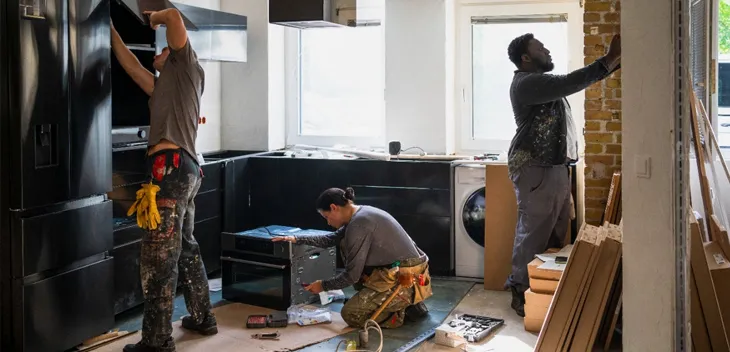
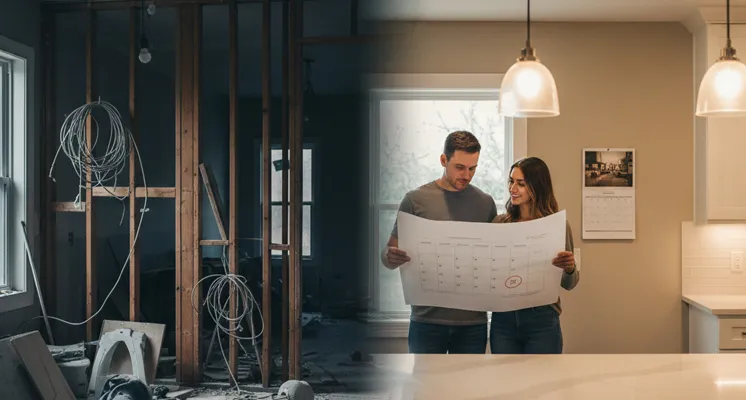
When people think about remodeling timelines, they usually picture the days when work is happening inside the house. Tools are out. Noise is constant. Rooms are off limits. That part is easy to notice. What often gets missed is everything that happens before and between those visible moments. A remodel is not one long stretch of activity. It moves in starts and pauses, sometimes quietly, sometimes all at once. Understanding that rhythm makes the process far less frustrating.
The Timeline Starts Earlier Than Expected
Long before demolition begins, time is already being spent. Walkthroughs happen. Measurements are taken. Conversations go back and forth about what needs to change and what can stay the same. This stage feels slow because nothing looks different yet. Still, it matters more than most people realize. Decisions made here determine how smoothly the rest of the project goes. When this part is rushed, changes usually show up later, and changes are what stretch timelines the most. At River Edge Contractor Services LLC, early planning is treated as real work, not paperwork that gets pushed aside.
Decisions Control the Pace
Once a direction is chosen, the project moves into decision making. Materials. Layouts. Finishes. These choices sound simple until availability enters the picture. Some products can be picked up quickly. Others require waiting. That waiting time is part of the remodel whether anyone wants it to be or not. Ignoring it does not make it disappear. It just causes delays later. Changing a decision once work has started almost always adds time. Even small changes can ripple through scheduling.
Preparation Is Quiet but Necessary
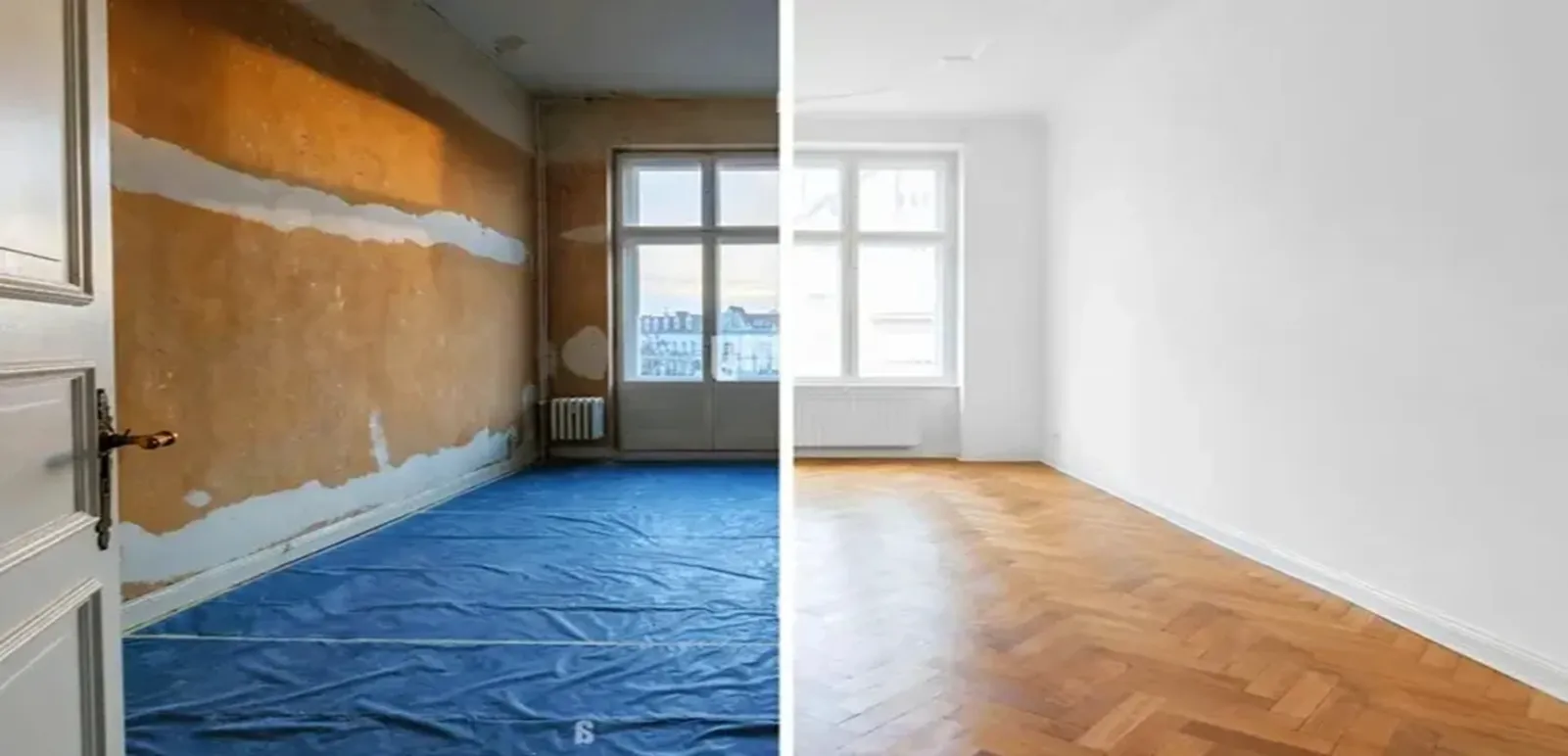
Before anything comes out, the home needs to be protected. Floors are covered. Furniture is moved. Pathways are planned so people can still live in the house. This stage rarely feels like progress, but skipping it leads to mess, damage, and unnecessary stress. Proper preparation keeps the project contained instead of spreading through the house. Permits, when required, also live in this part of the timeline. They take time, but they prevent bigger problems later.
Demolition Brings Reality With It
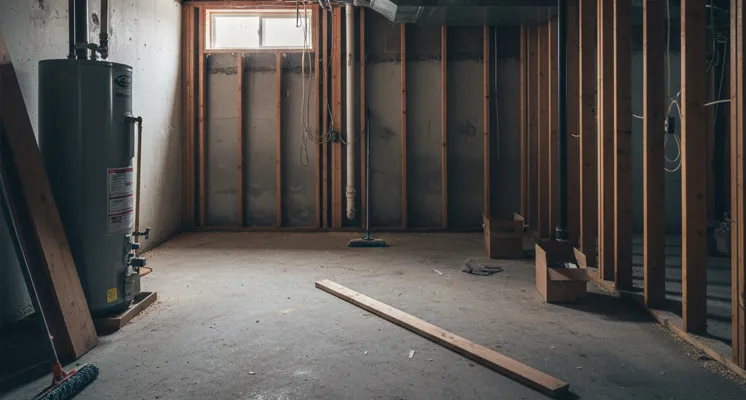
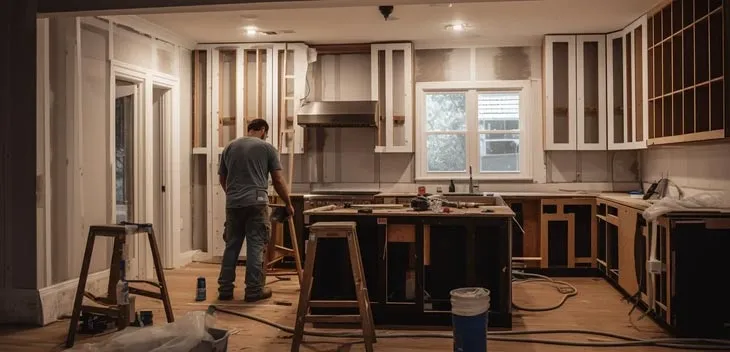
Demolition is usually when the remodel feels real. Walls open up. Old materials come out. The space finally looks different. These discoveries are not delays caused by poor planning. They are part of working in real homes. Addressing them properly often adds a little time, but skipping them adds much more later.
Structural Work Slows Things Down on Purpose
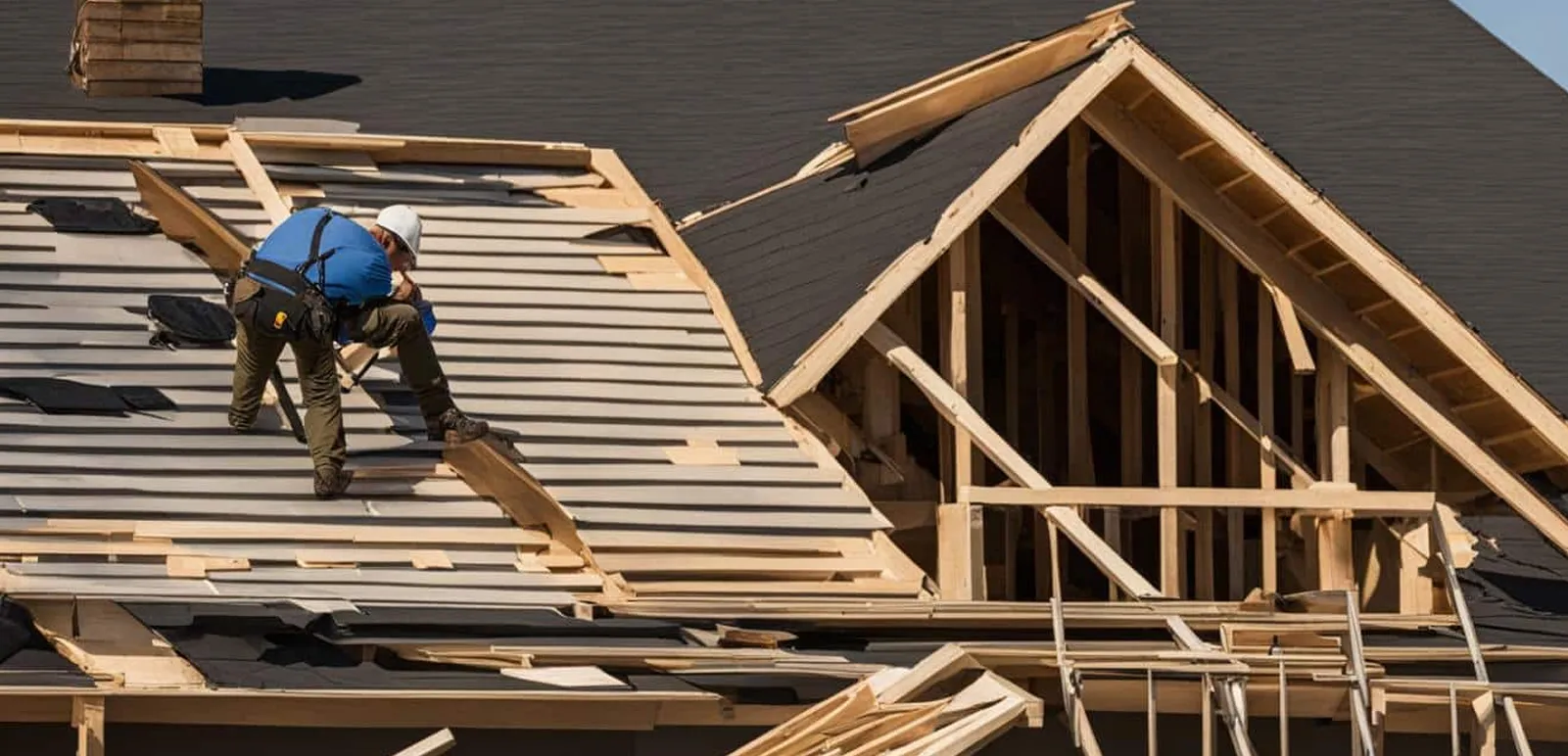
After demolition, progress becomes less visible again. Framing adjustments. Structural fixes. This stage feels slow because it is not flashy. It is also the stage that decides whether the finished space feels solid or slightly off. If things are not level here, no finish will hide it later. Time spent here saves time at the end.
Installation Feels Like Momentum
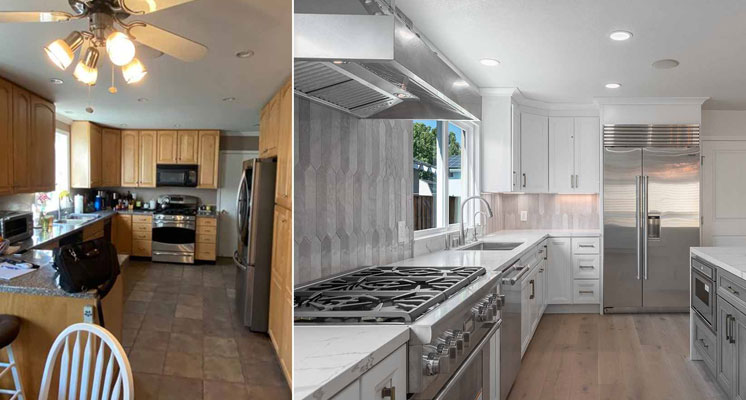
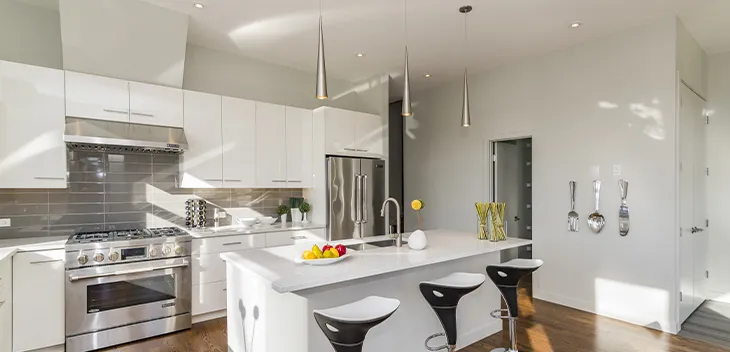
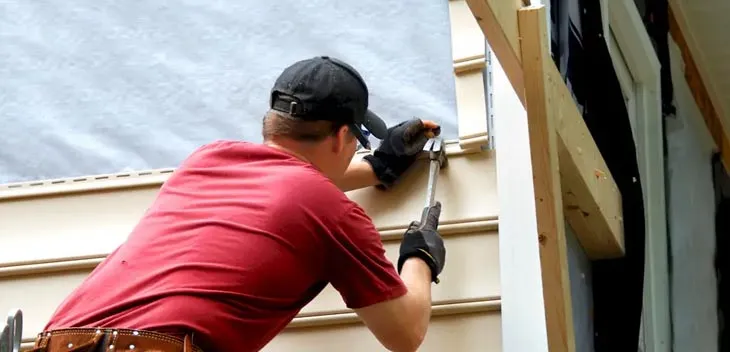
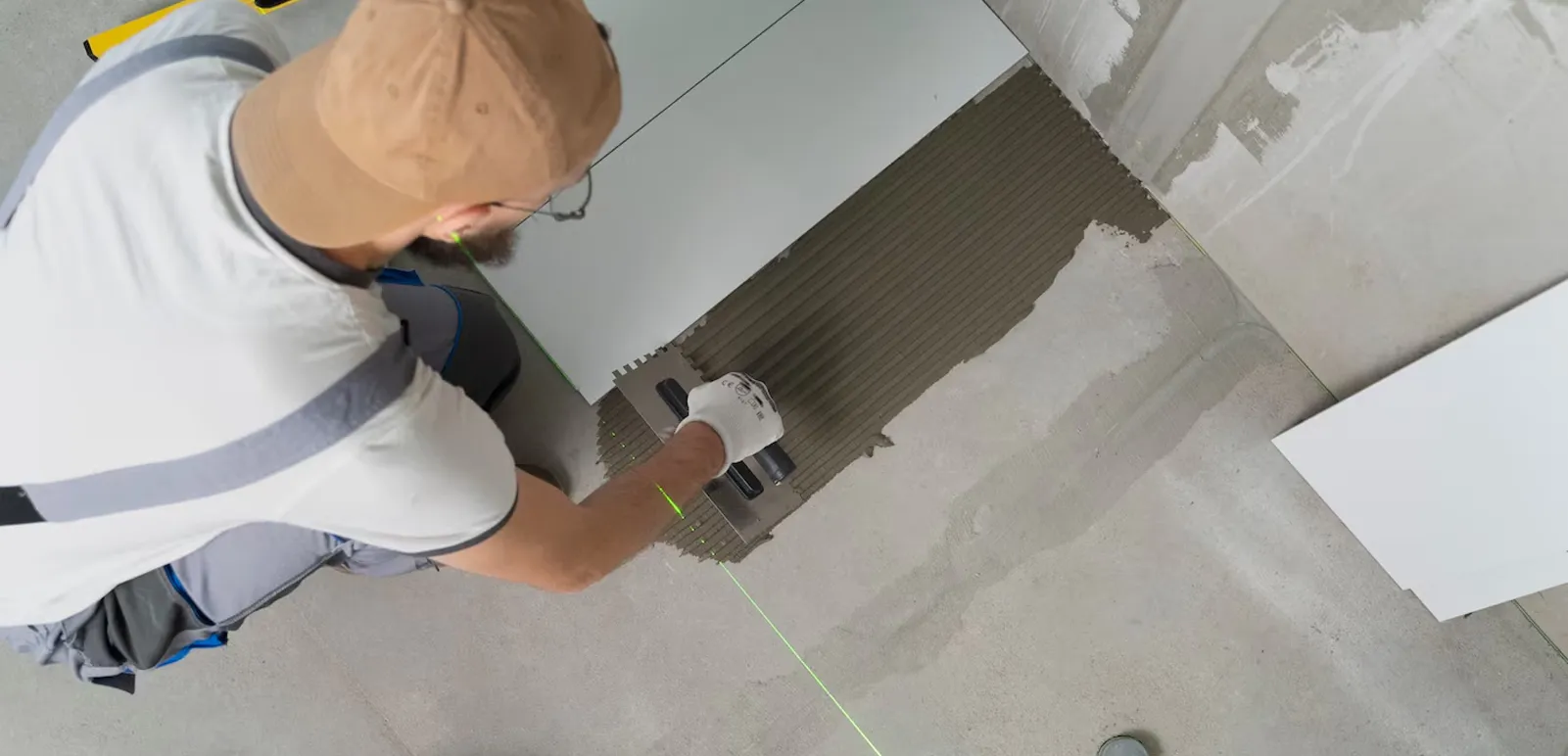
Once the base is right, work starts to move faster. Flooring goes in. Walls close up. Trim appears. The space starts to resemble what was discussed at the beginning. This is when homeowners often feel relief. The vision finally shows itself. Every step here depends on earlier patience. River Edge Contractor Services LLC keeps this phase paced so work stays consistent instead of rushed.