


What to Consider Before Finishing a Basement
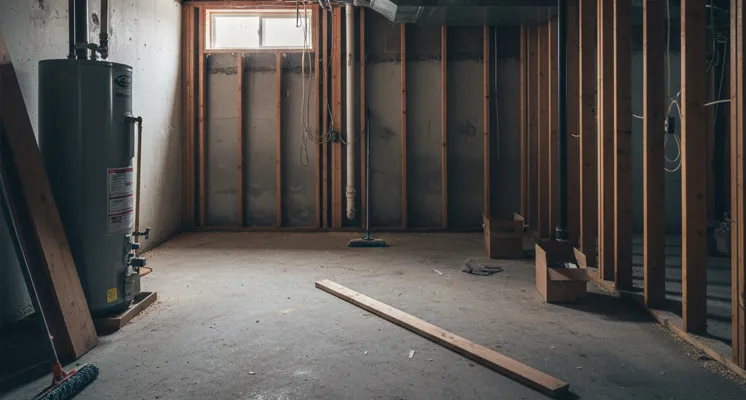
Finishing a basement often feels like found space. It is already there, already enclosed, already part of the house. That makes it tempting to jump straight into flooring, walls, and paint. Basements do not work that way. They behave differently from the rest of the home, and they push back when that difference is ignored. A finished basement feels good only when the starting conditions are understood first.
Moisture Shows Up in Quiet Ways
Most basements are not obviously wet. That is what makes moisture tricky. It shows up as cool walls, faint smells, or condensation that appears and disappears depending on the weather. Finishing over those signs does not make them go away. It traps them. Months later, flooring starts to lift or paint begins to fail, and the problem feels sudden even though it was there all along. Before any finishing work begins, moisture patterns need to be noticed honestly, not brushed aside because the space looks dry today.
Ceiling Height Decides More Than People Think
Ceiling height is often measured once and forgotten. In practice, it shapes how the entire space feels after finishing. Framing, drywall, lighting, and flooring all eat into that height little by little. A basement with limited height can still work well, but only if the plan respects it. Low ceilings paired with bulky finishes or poor lighting create a space that feels tight no matter how new it looks. Design works best when it adapts to the height instead of trying to disguise it.
The Basement Should Have a Clear Purpose
Trying to make a basement do everything usually leads to a space that does nothing particularly well. A room meant for quiet use needs a different setup than one meant for activity or guests. Where people enter, how they move through the space, and where noise should be contained all matter. So does access to storage and utilities. A clear purpose keeps the layout simple. A vague purpose creates walls and rooms that never quite feel right.
Comfort Is More Than Temperature
Basements are cooler by nature, but comfort is not just about heat. Sound travels differently below ground. The air feels heavier. Light behaves in unexpected ways. A basement that looks finished but feels cold, echoey, or dim often goes unused. Comfort needs to be built in, not adjusted later. Insulation, airflow, and lighting choices shape how often the space is actually used.
Flooring Needs to Match the Environment
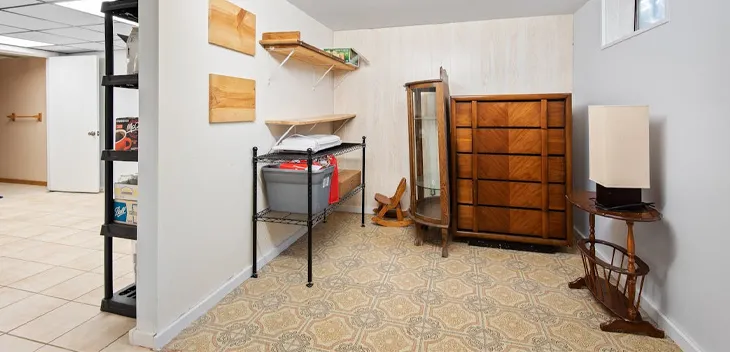
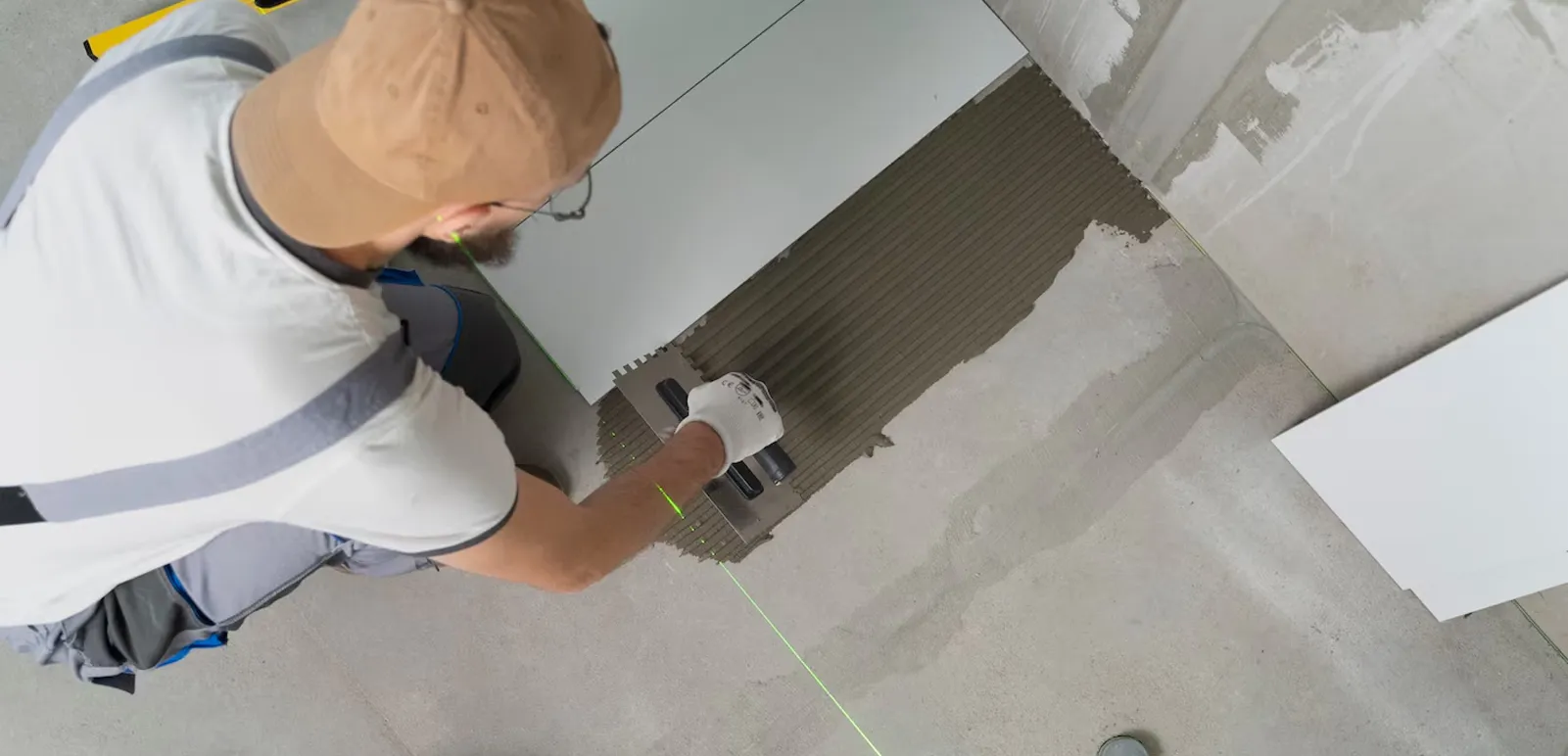
Basement floors deal with conditions that upstairs floors never see. Temperature changes, moisture levels, and concrete beneath everything affect how materials perform. Flooring that works well above grade can struggle below it. That does not always show immediately. Problems often appear after a season or two. Choosing flooring based on how it behaves matters more than choosing it based on appearance alone.
Light Changes Everything
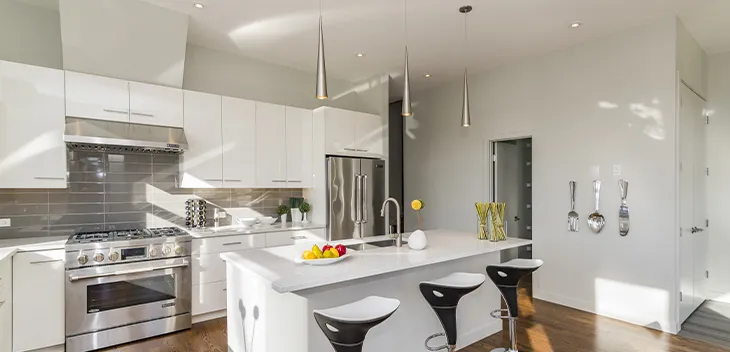
Most basements rely heavily on artificial light. That makes lighting one of the most important decisions in the entire project. Poor lighting makes ceilings feel lower and rooms feel smaller. Good lighting opens the space and makes finishes look intentional instead of improvised.
Electrical Planning Is Easy to Underestimate
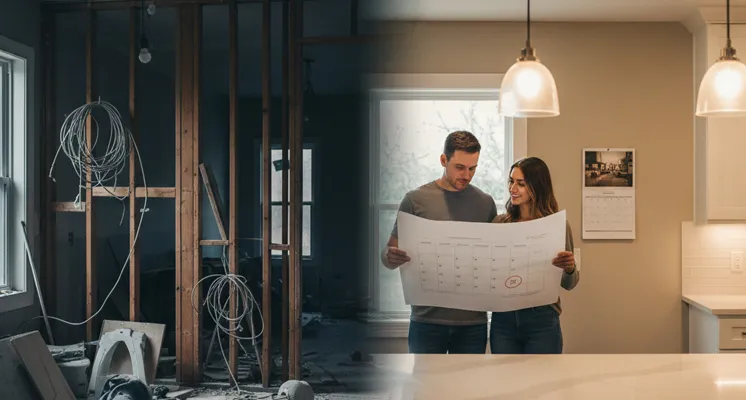
Outlets, switches, and wiring are easiest to adjust before walls are closed. After that, changes become disruptive and expensive. Basements often evolve in use over time. Enough outlets, sensible switch placement, and allowance for future needs matter more than people expect.